Come and see: talking stewardship

Giving in Grace is a tried, tested and flexible stewardship resource. But is it right for your church? Is now the right time? Is there energy in the church?
This paper suggests options, different ways to start a stewardship conversation and taking the next step in stewardship journey.
In John chapter 1, Jesus invites the first disciples to ‘come and see’. They eat and talk into the night. Intentional, holy conversations among church leaders can help grow discipleship around money and trust in God’s promises. All too often the money story in our churches is a story of scarcity, of limited resources. It is not unusual for our stewardship story to include some blame: the village that no longer helps, the diocese that doesn’t understand, the church split some years ago. There may be a dominant story teller in the leadership team and other stories that could be told are closed down. Clergy and lay ministers may not have a stewardship story of their own and can be taken hostage by or learn quickly to tell the dominant stewardship story.
We often have to learn to tell another story, a gospel story of God’s abundance and promise and of our discipleship responsibility. This new storytelling is helped when church councils and leadership teams make space for that holy conversation. It must be more than one more item, reluctantly tabled on a crowded council agenda or a desperate roll of the dice to resolve long standing financial problems.
Summarised below are some different ways for church leaders to start a money conversation. Don’t try them all! What works best for your church?
Giving for Life
Giving for Life offers a quick and easy way into a stewardship conversation. The short PCC guide is a helpful introduction accompanied by a double sided A4 checklist of good practice, an introductory video and slide deck. The original 2009 PCC guide (bottom of the web page) is a handy read for background and the original synod report (GS1723) likewise. Note the resource options for churches using the Parish Giving Scheme.

1 John 1:39
“Come,” he replied, “and you will see.”
Generous Church Check-up
The grown up modern relative of Giving for Life the Generous Church Check-up takes a simple checklist approach (titled Giving Review), updating good practice to include legacy and contactless giving and other income streams. It is commended as an annual health check of church stewardship and a helpful way to plan for the coming year.
Generous Church Review
A more substantial piece of work to do together a Generosity Review takes a little more preparation and facilitation and requires at least four hours. A Saturday morning or full day away is ideal; consider inviting the diocesan Giving Advisor to facilitate. It will more than reward the time invested and yield invaluable results.
The Review can be done in-person on as a virtual meeting and there is a facilitator guide for each format. Resources include a slide deck, printable discussion cards and there is a recorded webinar to get an overview of the Generosity Review process.
Seven sacred spaces and stewardship
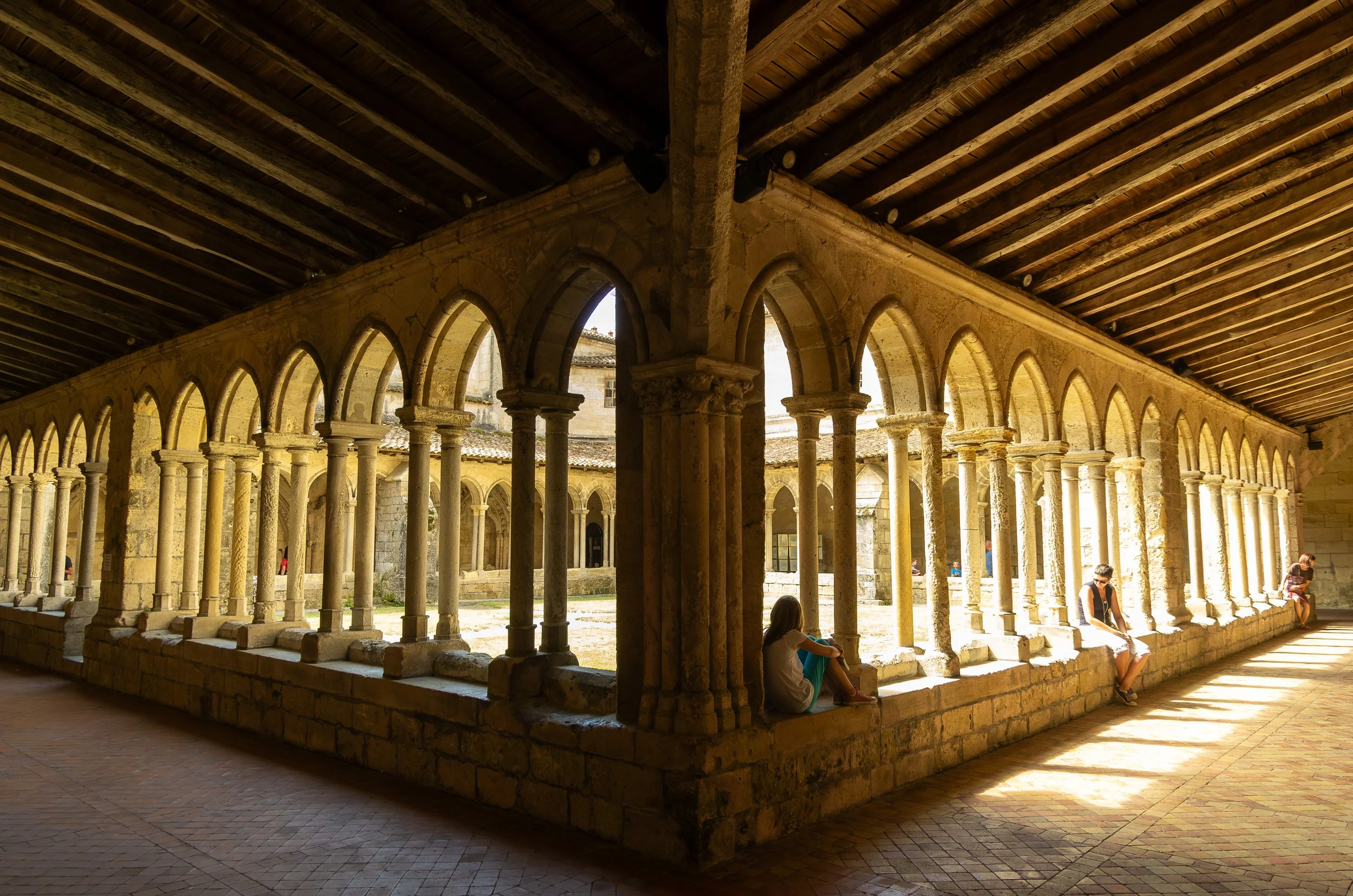
For an alternative and different approach, use the leaflet Seven Sacred Spaces and Stewardship. Mission consultant George Lings suggested that the seven sacred spaces of monastic communities (cell, cloister, chapel, chapter, refectory, garden and scriptorium) offer a way of thinking about a balanced church life that can sustain mission. This leaflet applies Lings’ creative approach to thinking about stewardship in the local church. It will stimulate conversation and discussion around good stewardship practice in the local church. Timing is very flexible but allow 60-90 minutes to make the most of this resource.
Feel the Force
What is driving the stewardship agenda in your church? An immediate financial shortfall? Seeing a problem down the tracks? Disagreements around mission giving, Parish Share or a feeling that we never teach about giving? And what pushes back against any stewardship initiative in the church? Are people embarrassed, leaders fearful or is there a sense that people see no reason to give more?
Feel the Force (with a courteous nod to Obi-Wan Kenobi) uses a simple ‘force field analysis’ exercise, often used in business. It offers a short and simple way to explore issues and start a conversation. It just needs a marker pen and a flip chart and allow no more than one hour, probably 45 minutes.
An introduction to Giving in Grace
A more prosaic, nuts and bolts approach is to discuss the paper An introduction to Giving in Grace, perhaps with the accompanying slide deck. There is also a handy trifold overview leaflet for church councils. A case study or two may help.
As time and purpose permits the paper The People Rejoiced explores the importance of leadership in stewardship and there is an accompanying short bible study, Of Your Own do we Give You which looks at King David’s financial leadership in building the Jerusalem Temple in 1 Chronicles 29.
There is also the option to make a simple presentation of church finances. This can help focus hearts and minds. However, take care that a financial presentation does not inadvertently reinforce a story of scarcity, perhaps imply an insoluble problem.

Making the decision
What are the hot potatoes that a conversation around stewardship identifies? You need to identify the issues in order to make a decision.
A pressing financial need may need a short, focused stewardship challenge. A church gift day is often used for this purpose and can be served by a selective use of these Giving in Grace resources. A fuller programme can be a second-phase task.
If there is less urgency explore the rich Generosity Week resources to support a one or two Sunday focus on generosity. Use the Giving in Grace resources to enhance your Generosity Week: sermon notes or literature to support a stewardship ask which is not included in the Generosity Week resources.
If there is a need for focused teaching on giving and to make a stewardship ask, some people able to invest some time and a following wind from the church leadership, then the time is right for a Giving in Grace programme. It will lay a solid biblical and practical foundation for a stewards
And finally
The conversation can be fruitful and creative. It will raise issues and identify actions for the short, medium and long term. But don’t let the talk be a substitute for taking action! At some point there needs to be a shared and documented decision to:
agree to run a Giving in Grace programme or to use the resources here to enhance an initiative
establish a small planning group to do the heavy lifting
affirmation from the church leadership that this is a core priority to be underpinned by prayer and modelled by the leadership team.