Many parts, one body: about differentiation

Differentiation is about the varied history, experiences and motivations in our churches. We don’t do one size fits all. People’s relationship with their church should shape our communications.
“Sorry, I didn’t catch that”
Brits abroad are often accused of speaking louder instead of learning the language. Churches can make a similar mistake in stewardship ministry. We treat everyone the same: the same letters, the same language, the same response from everyone. But our congregations are wonderfully diverse. Some are new to faith; others deeply committed. Some can give more, give generously; others struggle and need to know there’s no pressure. Some know church life, for others it is all very new. Some get church finances; others, not so much. Differentiation tries to take this diversity seriously.
A Shift in Perspective
Traditionally, churches start with their financial needs and then ask members to meet them. With differentiation we flip this approach. We don’t just ‘lead with the need’ and assume the response. We try to respect what motivates people to give. For some it’s biblical teaching; the desire to ‘excel in the grace of giving’. For some it is the impact of church ministries, from toddler groups to food banks. For some it is the benefits for kids from uniformed organisations, schools and more. As Michael Durrall notes, a one-size-fits-all strategy fails to reflect the wide range of beliefs about faith, mission, and generosity.
Four Key Groups
Of course, churches practice differentiation all the time without thinking about it. We are sensitive to new families coming for baptism or after a funeral or to adults finding faith. Differentiation here simply extends that sensitivity to our stewardship ministry.
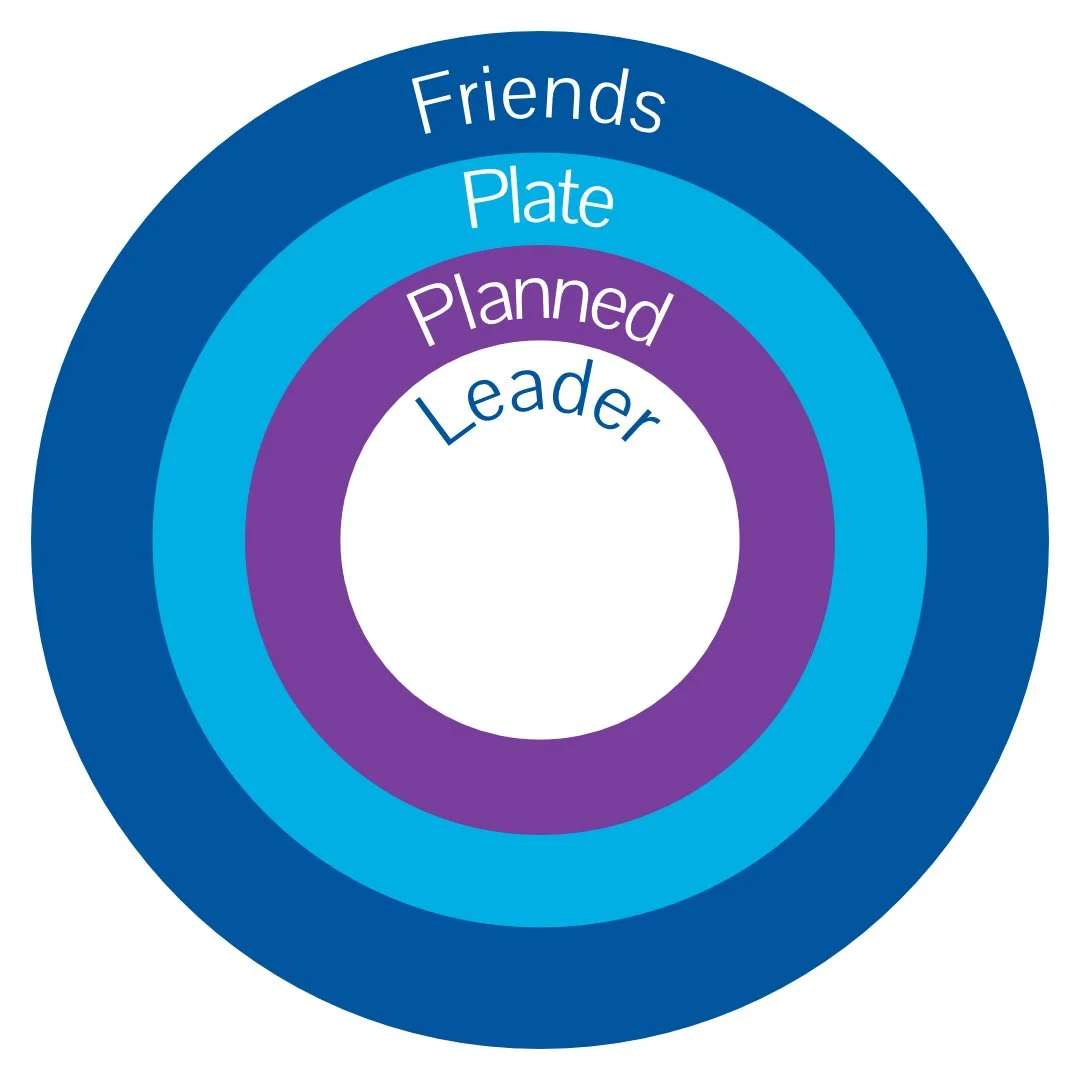
Think of concentric circles, like ripples in the water (see graphic). Among our formal and and informal leaders are likely our most committed givers of time, commitment and money. Their advocacy sets the tone. Next are planned givers, folk who give regularly, e.g. through the Parish Giving Scheme. Next, our plate givers who give when in church, often now via contactless giving. Finally we have our community friends; those who rarely attend but deeply value our church, often supporting building appeals.
Two things to note
First, this is not a static financial model but a model from church growth thinking. People are always on the move and our job is to encourage them to move toward the centre, growing in maturity and ministry.
Second and importantly, differentiation is never, ever, based on how much people give or how often they attend worship. Differentiation is always a functional definition. Leaders have an observable leader role. Planned givers are on the Parish Giving Scheme or use other ways to plan their giving. Plate givers make contactless or open plate offerings in church.
In practice
Differentiation shapes how we communicate respectfully with our diverse congregations. We will differentiate in the letters, response forms and leaflet we send in our literature and in the sermons we preach. Our stewardship ministry is always all about people. So our differentiation will require both pastoral sensitivity and UK GDPR compliance. For more guidance on GDPR check out the links at Prepare the Literature.
Though we are many
Differentiation tries to honour the diversity of the body of Christ, our church (1 Cor 12)