
Reflection and discussion questions written by Matt Holderness, Head of Marketing at Stewardship.
Exodus 16
What does manna teach us about generosity? God's provision may come through salaries, pensions, friendships, churches or unexpected acts of kindness, but behind every gift stands the same faithful God who fed his people in the wilderness.
For forty years, the Israelites woke to see something they had never seen before. The dew lifted and the desert was covered with thin flakes, like frost. They called it manna, literally "What is it?" (Exodus 16:15).
Every household gathered enough for the day. There were no supermarkets, store cupboards or supply chains to worry about. Tomorrow's meal would arrive tomorrow.
This daily gift of manna fed the people physically. It also shaped them spiritually. The manna taught Israel how to live as God’s people: receiving his gifts with gratitude, trusting his faithfulness and learning that every blessing ultimately came from him.
Those lessons still have much to say about generosity today.
An invitation to trust for daily bread
Exodus 16:15-16
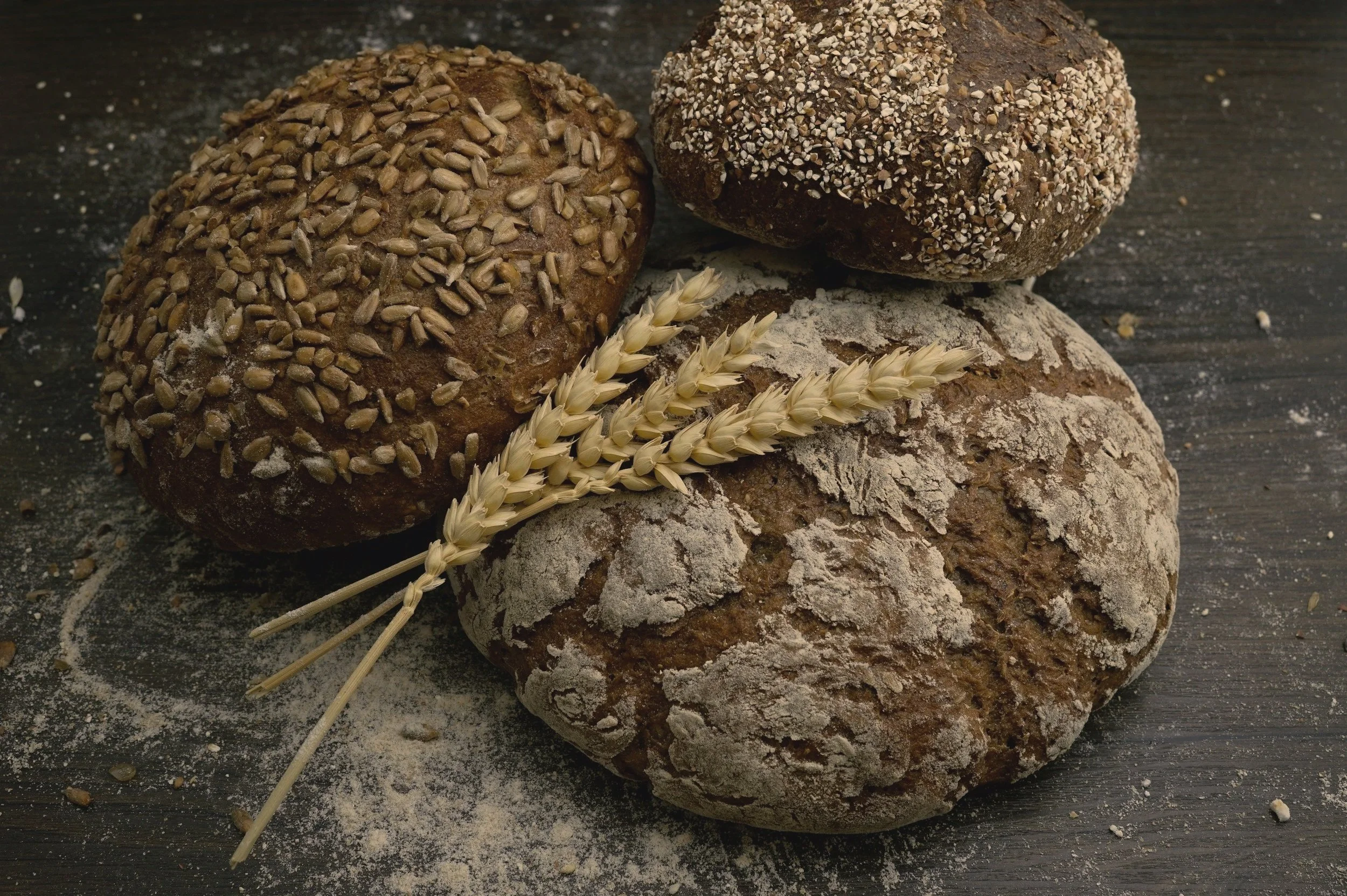
Moses said to them, ‘It is the bread that the Lord has given you to eat. This is what the Lord has commanded: “Gather as much of it as each of you needs, an omer to a person according to the number of persons, all providing for those in their own tents.”’
Each family gathered the manna they needed for that day. Life with God is built on daily dependence, not self-sufficiency. Every morning invited God’s people to remember God’s faithfulness yesterday, to receive today with gratitude and to trust God for tomorrow.
A tough ask. Some not wanting or not able to take too much; others grabbing too much and stashing it in their tents. But God had a plan to teach his people. Any manna kept overnight spoiled; except over the Sabbath. The message: take what you need, anything else will go.
Our circumstances are different. Our temptations are all too familiar. Financial planning is wise but we know that moth and rust destroy; earthly treasure fades. Beneath our practical decisions sits a deeper question: where does our confidence ultimately rest? Echoing this manna story Jesus taught his disciples to pray, "Give us today our daily bread." (Mt 6:11)
When is enough, enough?

Those who gathered much didn’t have too much. Those who gathered little didn’t have too little. God's provision met each household where it was. We don’t get any sense that families looked to see what others had. Their attention was on the God who had provided for them all.
Our consumer culture encourages us to compare our lives against those around us. We succeed by accumulating. We progress by getting more. We find security in having a little more today than we needed yesterday. Our comparisons quietly move the goalposts, convincing us that ‘enough’ is always only just beyond our reach.
Our wilderness story encourages us to think and act differently. Focussing on whether we have enough will lead to bitterness. Recognising God's provision, whether great or small, helps us receive what we have with thankfulness rather than anxiety. With the apostle Paul we learn the secret of contentment in every circumstance from Christ (Phil 4:11–13).
Receiving well prepares us to give well
In Egypt the life of God’s people’s was marked by scarcity, oppression and survival. In the wilderness God was shaping his people. The people would build a Tabernacle, enter the promised land and establish themselves as a nation. But before they were entrusted with those responsibilities, they learned to live by God's gracious provision and discover the generosity of God.
That truth should change the way we view everything we possess. James reminds us that "every good and perfect gift is from above" (James 1:17). Our abilities, opportunities, relationships and material resources all come to us as gifts before they become responsibilities. This is the foundation of understanding biblical stewardship.
When we recognise this, generosity becomes a natural response rather than an isolated act. We begin to see ourselves less as owners protecting what is ours and more as stewards entrusted with what ultimately belongs to God.
Reflect: Where is God inviting you to trust?
The manna was a daily reminder that God was present, faithful and attentive to the needs of his people. Every morning invited Israel to remember who their provider was. Every evening closed with another reason to give thanks. The same invitation remains for us today. As we learn to recognise his generosity towards us, our own lives are gradually shaped by trust, gratitude and open-handedness.
Where have you seen God's faithful provision in your own life over the past year?
What does "enough" look like for you, and how has that definition been shaped?
How might growing in gratitude change the way you use the resources God has entrusted to you?