
Reflection and discussion questions written by Matt Holderness, Head of Marketing at Stewardship.
Exodus 35-36:7
Having renewed his covenant with Israel after the tragedy of the golden calf, God instructed Moses to build the tabernacle – a place where his presence would dwell among his people. The work required skilled craftspeople, valuable materials and the contribution of the whole community.
There are very few building projects that finish with the words, "Please stop bringing gifts." Yet that is exactly what happened in the wilderness. Moses invited the people to bring offerings from what God had already given them. Gold, silver, bronze, fine linen, animal skins, wood, precious stones and fragrant spices all found their way into the camp.
Men and women brought their gifts, their skills and their time. They continued to give until the craftsmen told Moses they had more than enough for the Lord’s work (Exodus 36:5). It is one of Scripture's clearest pictures of joyful generosity. It’s a compelling vision of what happens when God's people respond generously, together to God’s invitation.
Every gift has a place in God's purposes
Exodus 35:21
And they came, everyone whose heart was stirred, and everyone whose spirit was willing, and brought the Lord’s offering to be used for the tent of meeting, and for all its service, and for the sacred vestments.
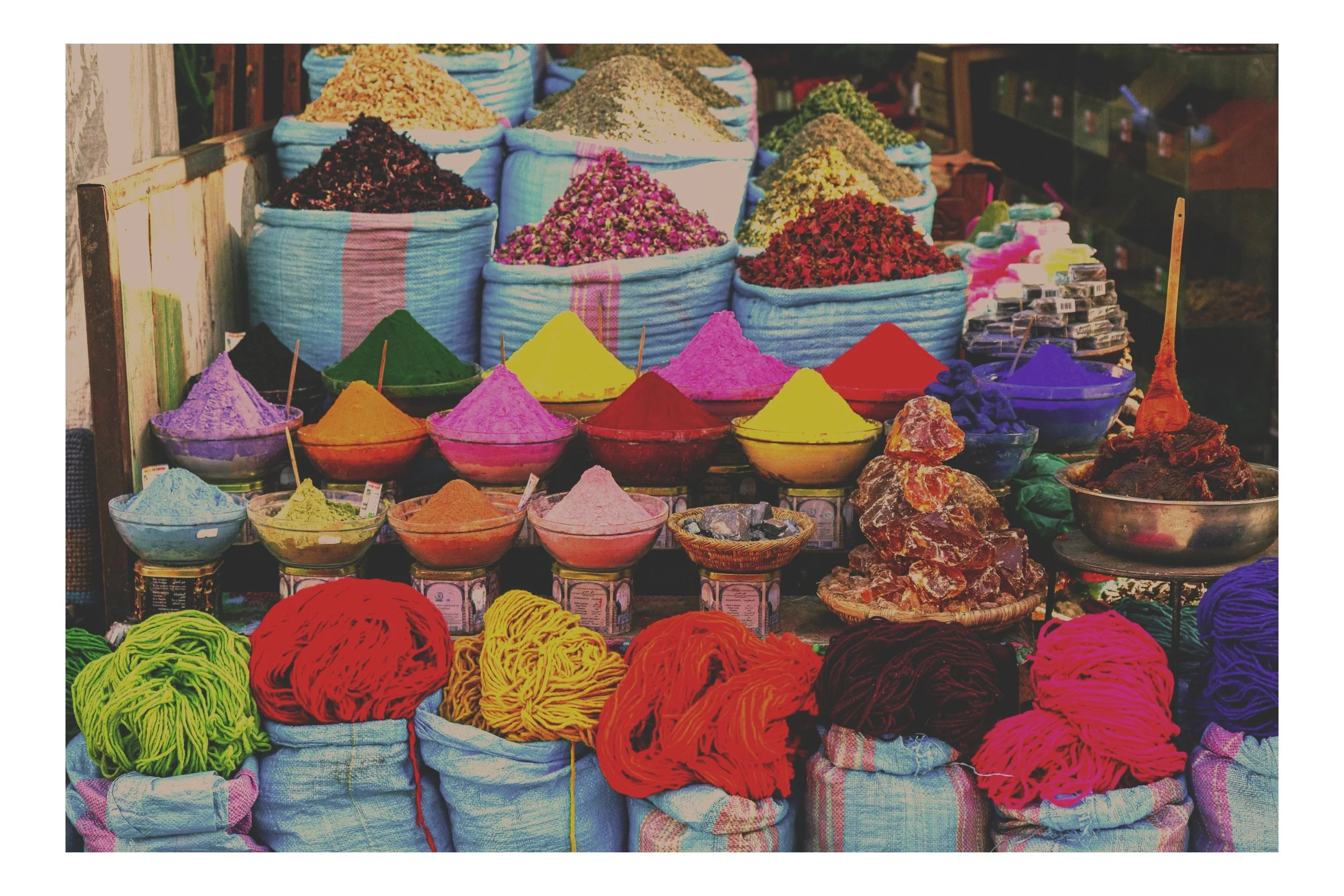
The list of gifts in Exodus 35 is almost overwhelming. Gold and silver sit alongside goat hair, acacia wood, dyed yarn, olive oil, spices and precious stones. Skilled embroiderers are mentioned alongside metalworkers, weavers and carpenters.
The picture is wonderfully diverse. Not everyone brought the same gift, because not everyone had received the same resources or abilities. But everyone could play their part. The tabernacle would only be completed as each person offered what had been entrusted to them.
It’s like a jigsaw where everybody has a unique piece to complete the picture. Paul describes it as one body with many parts (1 Corinthians 12). Peter calls us to be ‘faithful stewards of God's grace in its various forms’ (1 Peter 4:10).
Generosity is about our financial giving. We can’t duck that. We can’t substitute our time and talents for our treasure. But this rich picture of generous giving includes our skills, experience, hospitality, encouragement, creativity, wisdom and time. God delights in weaving together many different gifts to accomplish his purposes.
Joyful generosity cannot be manufactured

Moses invites gifts from those whose hearts were willing and whose spirits were moved. This is said more than once (Ex 35:5, 21, 22, 29, 36:30). It matters. Moses doesn’t pressure anyone. He doesn’t make emotional appeals. He doesn’t promise recognition or offer rewards. The people’s generosity flows from something much deeper than obligation.
Their generosity is shaped by God's presence and by his covenant faithfulness. The same hands that once fashioned an idol are now helping to build the place where God would meet with his people. Like the widow giving her two mites to the Temple, Israel’s giving to the Tabernacle is not just so that they can build a place of worship. Their giving is itself an act of worship.
The Gospel continues this pattern. Paul reminds the Corinthians that generosity begins with God's generosity towards us: "For you know the grace of our Lord Jesus Christ…” (2 Corinthians 8:9). Christian generosity is never an attempt to earn God's favour. It is a response to grace already received.
More than enough
After several days or more of extravagant, sacrificial giving the craftsmen tell Moses that the people have brought enough. More than enough. Too much! Imagine hearing those words today. A project so fully resourced that further gifts had to be declined.
The abundance in this story is remarkable, not because of the value of the materials alone, but because of what they reveal about the community's heart. Each individual offering may have seemed relatively small. A piece of jewellery. A length of cloth. A skill patiently practised over many years. Yet these gifts placed into God's hands and combined with the gifts of others became exactly what was needed.
This remains one of the great encouragements of Christian stewardship.
We are rarely asked to accomplish God's work alone. Instead, God invites each of us to bring what he has entrusted to us. As God's people contribute faithfully and joyfully, the combined effect is often far greater than any individual could have imagined.
The miracle of this story is not simply that there was enough. It is also that God's people discovered the joy of generosity, sharing together in what God was doing and giving from what they had (2 Cor 8:12).
How might you join in God's work?
God delights in working through ordinary people who willingly offer what they have received. Some gifts were valuable. Others may have seemed quite modest. The gifts were wonderfully diverse. Every contribution helped build the place where God chose to dwell among his people.
The same invitation extends to us today.
God continues to build his kingdom through people who are willing to place their resources, abilities and opportunities into his hands. None of us has everything that is needed, but together, by God's grace, we have more than enough for the work he calls us to do.
What gifts, abilities or resources has God entrusted to you that could be used to serve others?
How have you experienced the joy of working alongside other Christians in God's purposes?
What step of generosity might God be inviting you to take as an act of worship this week?