Thank you letters
‘If the only prayer you ever say is thank you, it will be enough’ (Meister Eckhart).
Sermons have been preached, all age resources have been shared, some bible studies have landed well and nicely produced brochures well received. Letters have asked for a review of giving and response forms are coming back with people’s pledges.
Say thank you
The very first thing we do now is say thank you. We write a letter. Straight away. A simple letter that just says thank you. Nothing complicated.
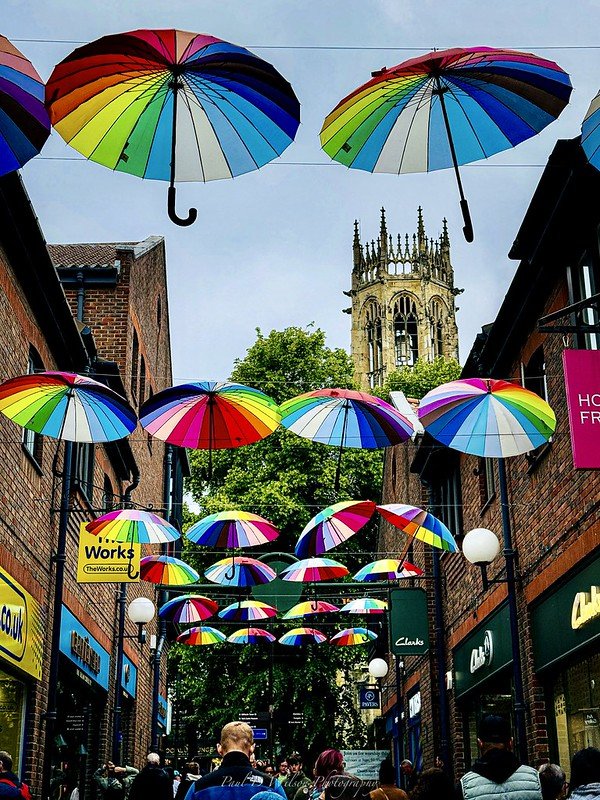
In Learning to Say Thank You Jen Shang and others talk about the whole rainbow spectrum of saying thank you for charitable gifts. Saying thank you helps keep that good feeling after someone makes a first or their early gifts. Thanking reminds them that they are genuinely making a difference to things they care about. Thanking affirms the giver themselves, builds trust and strengthen the relationship with the life of the church.
Now most churches can’t send different versions of our thank you letters and honestly, there’s usually a personal relationship with most of those who give generously in support of their church. But we can make sure that our single thank you letter is a warm, sincere appreciation of the decision someone has made. That may be to increase giving or a decision to start giving regularly, to request legacy information, or to say that it’s not possible for someone to do anything right now but they are praying for our church.
For the gift
We’re saying thank you for the gift: a pledge to increase giving; a decision to join the Parish Giving Scheme; a request for a leaflet on leaving a legacy to the church; a promise of prayer from someone who cannot increase their giving. The thank you letter template includes a brief, encouraging ‘rolling update’, keeping folks informed on progress towards the weekly giving target captured in the brochure. This helps to build trust and confidence as folk know that they are making a difference, are part of a community of generosity.
For the giver
Generosity is not just what we give. Generosity is who we are. So our letter of thanks is not just for the gift; it is for the giver. Our letter of thanks says, “you are the gift. Thank you”.
Saying thank you helps avoid the risk that regular, planned giving becomes routine, stale. Sometimes our giving can ‘rust-out’; it can even ‘burn-out’ unless we feel valued for who we are and not only what we give.
Top tips for writing letters
To read a bit more about the importance of appreciation, check out our blog Giving Thanks. There’s a thank you letter template at Preparing for a Response and here are some top tips. You’ll add more of your own.
Review the template thank you letter then change it. Letters are written long. Easier to delete words than to add the. Adapt the template; make it yours. Or chuck it out and start from scratch.
Act quickly. Make sure that within a week of receiving a response form you’ve thanked the giver.
Thank everyone. If someone’s response is that they cannot increase their giving just now, we say a warm thank you for that careful and prayerful response.
Print each letter on headed paper with the church name and address and contact details. Don’t sign photocopies
Hand write your greeting and your sign off and do it in blue ink; this is the original, not a copy.
If you send your thank you letter by email scan a handwritten paper letter and send it by individual, custom email
Let your thanks be thanks. Don’t imply or ask for something else.
Update your thank you letter as responses come in. We’re part of a community of generosity.

Fragrant offerings
Paul thanks the givers at Philippi for their gifts; a fragrant offering from those who participated in the giving and receiving and share Paul’s life in Christ. (Phil 4:14-19)