Luke Reflections: The Widow’s Mite
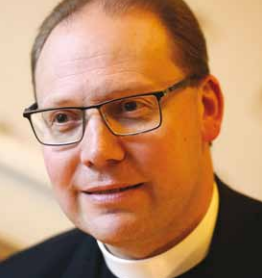
Written by Very Reverend Peter Howell-Jones, Luke 21:1-4
A story is told that, while walking at Balmoral, Queen Victoria got caught in the rain. Calling at a cottage, she was grudgingly offered a tatty umbrella. She went on her way and the next day a courtier in a splendid coach returned the umbrella. As the courtier left, he heard the owner say, “If I had known who she was, she could have had my best umbrella.”
Giving in the Temple
As Jesus sat in the Temple he observed the giving of the rich and the poor. Some things never change. Just as today those who have money give more in cash terms than those on lower incomes. And, when they give, those on lower incomes give more in proportion to their income than those with more money. The gifts of the wealthy that Jesus observed were big gifts but what drew his attention was the giving of a poor widow who in percentage terms gave far more.
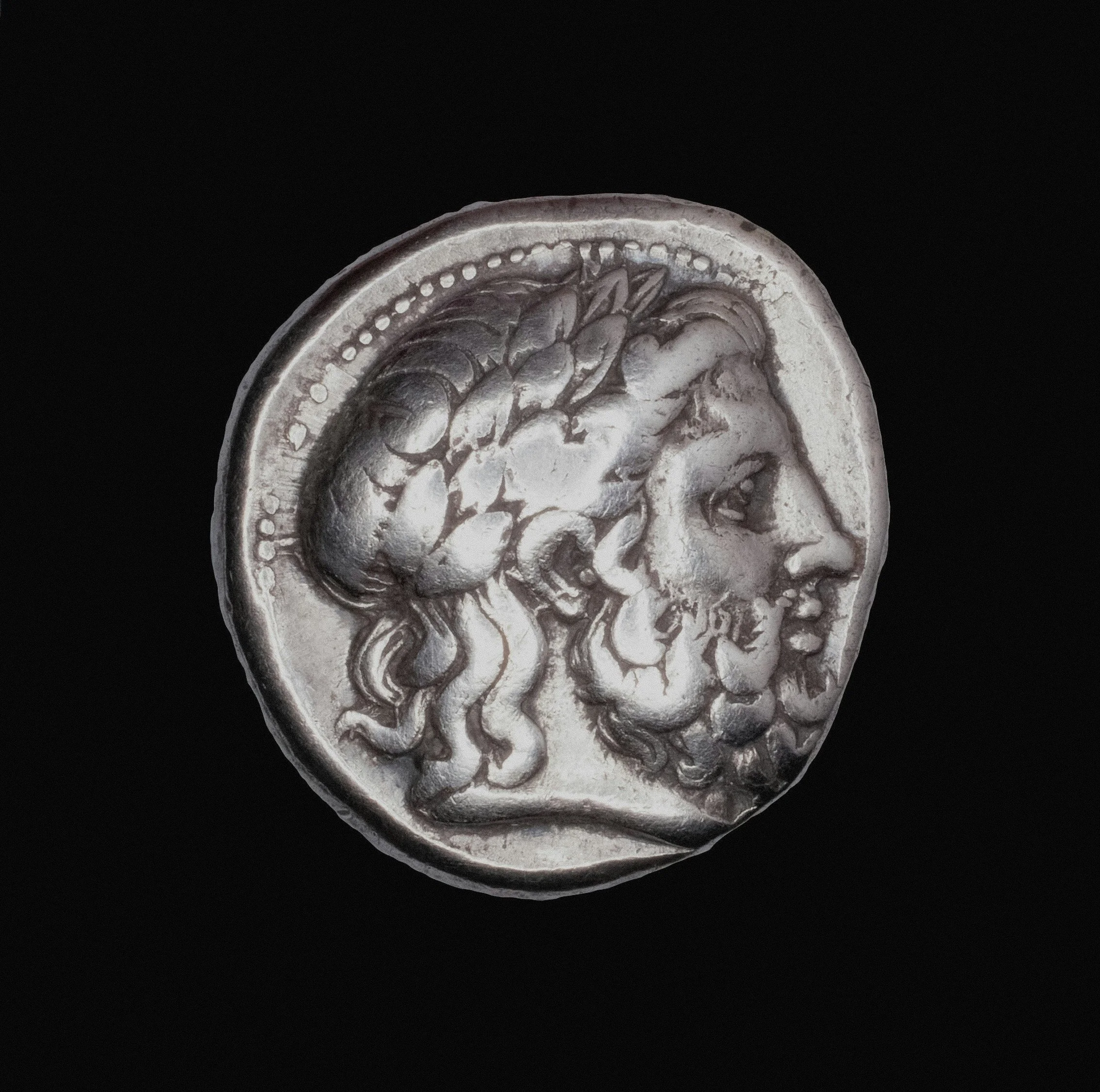
It is easy to miss the point of this story. It is not that only the heart matters to God so as to justify a small gift. It does not teach us to give till we are poor nor to give all we have. If true, salvation could not come to Zacchaeus who gave just half of what he had. It is not that the widow gave the last that she had to give but that she gave the best she had to give. As someone has said provocatively, the widow’s mite is an acceptable gift if given with the widow’s heart and on the widow’s income.
A Deeper Question
The issue is not how much we give but a far deeper question: how much of me and the life God has given to me, is truly reflected in the gift I give?
The gifts Jesus observed were given in the place of worship. The splendour of the temple, as in our churches, speaks of God’s glory but also of his presence with his people. That is the context in which we give.
Knowing Who We Give To
If, when the offering plate comes around, we really knew who we were giving to, then whether we have much or little, we would give our ‘first fruits’, our first and best not what is left over. If we saw the difference the ministry of our church makes in people’s lives rather than bills and budgets our giving would go beyond calculation of its needs and how deserving we think those needs are. If we knew that God was the owner and giver of all we have and are then our giving could never be casual, begrudged or reluctant. Our gifts would go beyond what we can afford when we have done everything else that we need to do with our money.

Elizabeth Gilbert, author of Eat, Pray, Love, concludes;
‘In the end, though, maybe we must all give up trying to pay back the people in this world who sustain our lives. In the end, maybe it’s wiser to surrender before the miraculous scope of human generosity and to just keep saying thank you, forever and sincerely, for as long as we have voices.’
That ‘miraculous scope of human generosity’ is captured in this picture of a woman who gave generously in the place of worship. For Christians such generosity is rooted in the generosity of a God who never stops giving to us and invites us to be caught up in the grace of his giving.
Reflect
When the offering plate comes around what goes through our minds and our hearts?
How have you heard this story explained in sermons or bible studies?
When we give to God’s work in our church do we usually think about giving our first and our best?