2 Corinthians Reflections: Poverty and Generosity
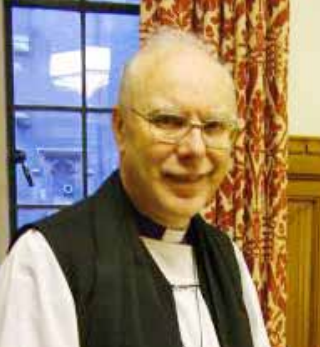
Written by Rt. Revd John Packer Honorary Assistant Bishop Diocese of Newcastle, 2 Corinthians 8:1-9
The reversal of human values in this passage is overwhelming. The generosity of the Macedonians (v.2) springs from their abundant joy and their extreme poverty. In human terms that hardly makes sense, but so often an awareness of our own poverty makes us conscious of the needs of others. I have experienced the hospitality of Sri Lankan tea planters, desperately poor themselves, anxious to provide hospitality to visitors from the UK. Collecting for Christian Aid is often easier in more deprived areas than from the more affluent.
The Privilege of Giving
The Macedonians begged for the privilege of giving (v.4). Sometimes this does happen, and God gives the grace to respond to a human emergency such as flooded homes. Yet too often we give only what we think we can spare. Giving is too often a duty rather than a privilege. The Macedonians gave even beyond their means. Their values had been overturned as they longed to share with others.

First to the Lord
‘First to the Lord’ (v.5) is the key phrase to this passage. There is an overwhelming sense of the generosity of God that brings a response in giving to the Lord. Our commitment to Christ is at the heart of all our generosity. It is when we know the generosity of our Lord Jesus Christ (v.9) that our lives will overflow in giving ‘first to the Lord’ and then to others (v.5). For a family or a church, one of the most fulfilling moments of life in Christ is as we determine our giving to others, prayerfully, maybe sitting round a kitchen table and experiencing the joy of giving as we have received.
A Challenge to Give
Paul is not prepared to command the Corinthians (v.8) but he is prepared to challenge them. Their giving has to be voluntary, but Paul regards pressure as quite legitimate. He does not simply say that it is up to them to decide how much to give. He challenges them to demonstrate the love they claim to have. Maybe we are too timid in asking one another to show our love by our generosity. Even comparisons are legitimate – so the genuineness of our love is to be compared with the earnestness of other people’s love.
The Grace of Christ
All this depends on the grace of our Lord Jesus Christ. Verse 9 is the greatest single verse upholding the meaning of the incarnation. That is what Jesus has done for me. He demonstrated his love by giving all of himself. We enter into the richness of that giving. So we are freed to give of ourselves because we have the ultimate security of knowing his love.

2 Corinthians 8:1-9
And now, brothers and sisters, we want you to know about the grace that God has given the Macedonian churches. In the midst of a very severe trial, their overflowing joy and their extreme poverty welled up in rich generosity. For I testify that they gave as much as they were able, and even beyond their ability. Entirely on their own, they urgently pleaded with us for the privilege of sharing in this service to the Lord’s people. And they exceeded our expectations: They gave themselves first of all to the Lord, and then by the will of God also to us. So we urged Titus, just as he had earlier made a beginning, to bring also to completion this act of grace on your part. But since you excel in everything—in faith, in speech, in knowledge, in complete earnestness and in the love we have kindled in you—see that you also excel in this grace of giving. I am not commanding you, but I want to test the sincerity of your love by comparing it with the earnestness of others. For you know the grace of our Lord Jesus Christ, that though he was rich, yet for your sake he became poor, so that you through his poverty might become rich.
Reflect
What examples do you have, in your own life and other people’s, of generosity springing from ‘joy and poverty’?
What does it mean to you and your church to give ‘first to the Lord’?
How do we experience the truth that Jesus became poor so we might become rich?